
The Art of the Flame: A Journey Into the Soul of BBQ
Barbecue is more than just a cooking method; it is a global language of fire, smoke, and community. From the pitmasters of Texas to the bustling night markets of Seoul, BBQ represents a primal connection to our culinary roots, transforming humble cuts of meat into tender, flavor-packed masterpieces through the alchemy of heat and time.
The Science of Low and Slow
At the heart of great BBQ lies the “low and slow” philosophy. Unlike high-heat grilling, which sears meat quickly, true https://haymakerbbq.com/ barbecue relies on indirect heat and consistent temperatures, usually between 225°F and 250°F. This gradual process allows tough connective tissues and collagen to break down into gelatin, resulting in that signature “melt-in-your-mouth” texture.
Crucial to this process is the Maillard reaction and the development of the “bark”—the dark, crusty exterior seasoned with a “rub” of salt, pepper, and spices. This bark acts as a flavorful seal, trapping juices inside while absorbing the aromatic essence of the wood smoke.
The Role of Wood and Smoke
In the world of BBQ, wood is considered an ingredient, not just a fuel source. The type of wood used defines the flavor profile of the meat:
- Hickory and Mesquite: Provide a bold, punchy smoke that pairs perfectly with beef brisket and pork shoulders.
- Fruitwoods (Apple and Cherry): Offer a mild, sweet finish, ideal for poultry and ribs.
- Oak: The “gold standard” for many pitmasters, providing a clean, even smoke that enhances without overpowering.
A Global Phenomenon
While American BBQ often dominates the conversation with its regional styles—like the vinegar-based sauces of the Carolinas or the sweet molasses of Kansas City—the world offers a rich tapestry of flame-kissed traditions. Korean BBQ, for instance, emphasizes tabletop interaction and high-quality marinades like bulgogi, while Argentine Asado focuses on the purity of the meat, cooked over large open-fire pits called parrillas.
The Community of the Pit
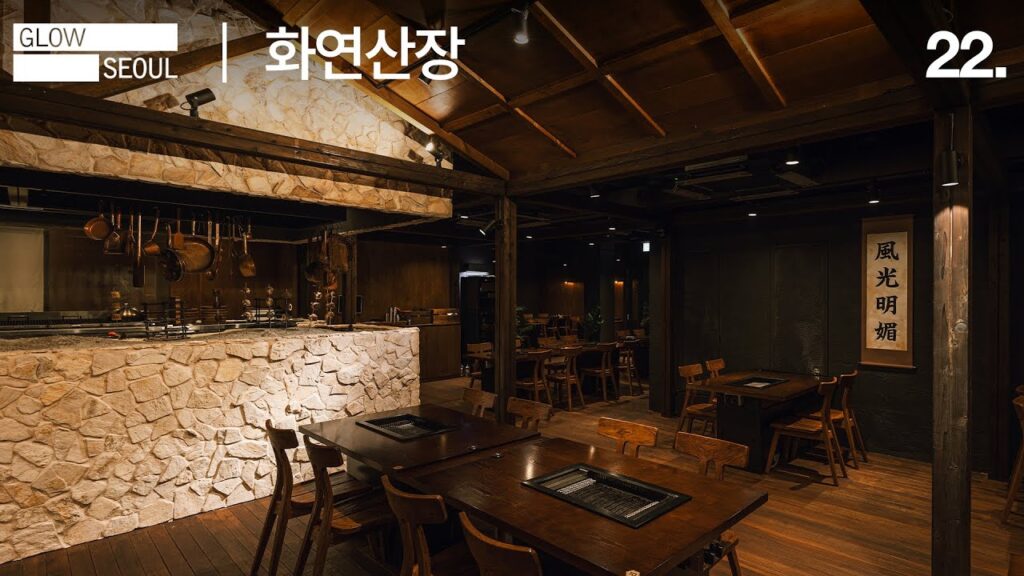
Beyond the technicality of smoke rings and internal temperatures, BBQ is fundamentally about connection. It is a culinary event that demands patience, often taking twelve to sixteen hours to complete. This “wait time” creates a space for storytelling, laughter, and bonding. Whether it’s a backyard summer cookout or a high-end smokehouse like Hwayeon Sanjang, the goal is the same: to gather people around a table to share in the reward of a fire well-tended.
In a fast-paced world, BBQ forces us to slow down. It teaches us that the best things in life cannot be rushed—they must be seasoned with care, smoked with patience, and shared with friends.
Would you like me to focus on a specific regional style of BBQ or provide a list of essential tools for your first backyard smoke?