
Length‑Based Assessment of Coral Reef Fish Populations in the Main and Northwestern Hawaiian Islands
Healthy coral reef fish communities are an essential part of Hawai‘i’s marine ecosystems. Reef fish support local fisheries, cultural practices, tourism, and ecological balance on coral reefs. Yet until recently, there hadn’t been a thorough scientific stock assessment of individual reef fish species around Hawai‘i’s reefs — mainly because of limited long‑term catch data and demographic information. To address this gap, scientists applied a length‑based assessment method that uses fish size data from both fishery catches and underwater surveys in order to evaluate the status of key reef fish populations.
Why Fish Length Matters
The core idea behind a length‑based assessment is simple but powerful: the average size of fish in a population tells scientists a lot about fishing coralfishhawaii.com pressure. When fishing rates are high, larger fish are removed before they can grow old, pushing the average size of the population downward. Conversely, in healthy or lightly fished populations, more large individuals remain, increasing average length. By comparing observed sizes with expected sizes from models, researchers can estimate how much fishing mortality a species is experiencing.
This method is especially useful in “data‑poor” fisheries — like many reef fisheries — where age‑structured catch records or long time series of data may not exist for every species. Instead, scientists gather size composition information from commercial catch reports and diver surveys to estimate mortality rates and evaluate sustainability. (PMC)
Where the Data Came From
To get reliable measurements of fish sizes, researchers used two primary sources:
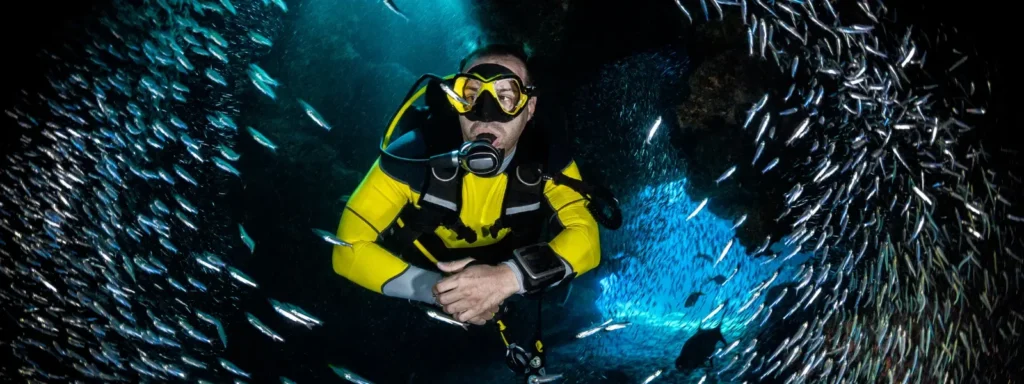
- Underwater visual surveys conducted by trained divers who counted and measured fish on fixed reef transects around multiple islands in the Main Hawaiian Islands (MHI) and the relatively unexploited Northwestern Hawaiian Islands (NWHI).
- Commercial fishing trip reports submitted over a decade, which included catch weights and allowed conversion into estimated average fish lengths for targeted species. (PMC)
Because not all species had complete historical data, and some life‑history information (like growth rates and ages of maturity) were missing for certain fish, researchers combined available data with life history estimates from other Pacific regions — but used conservative assumptions to avoid skewing results. (PMC)
Key Findings: Mortality and Sustainability
The study examined 19 exploited reef fish species from multiple families, including parrotfishes, surgeonfishes, goatfishes, snappers, and jacks. For each species, researchers calculated the average length in exploited populations and estimated mortality rates based on that data. They also simulated what average lengths would look like in an unfished population to establish reference benchmarks.
Here are the main findings:
- Species in the Northwestern Hawaiian Islands (NWHI) — which are largely protected and sparsely inhabited — almost always had larger average lengths, closer to what would be expected in unfished populations. This comparison validated the length‑based model and showed that the NWHI fish communities are comparatively healthy.
- In the Main Hawaiian Islands (MHI), several species showed reduced average sizes, indicating higher fishing pressure. For example, some goatfishes and jacks had lengths consistent with higher fishing mortality.
- By converting length estimates into spawning potential ratios (SPR) — a key sustainability metric — scientists evaluated how well each population can replenish itself. Many species in the MHI had SPR values approaching or falling below the 30 % threshold, which is commonly used to indicate overexploitation risk. (PubMed)
Overall, the assessment suggested that nearly half of the studied species might be at risk of overfishing in the MHI, though this level was somewhat lower than comparable tropical reef fisheries in other regions of the United States.
Why This Matters
This research marks a significant step forward in reef fish management for Hawai‘i. By applying a practical, data‑adaptive approach, scientists could identify which reef fish species are under the most intense fishing pressure and where more careful management might be needed. Importantly, comparing exploited populations to relatively pristine areas like the NWHI provided strong context for understanding how human activities shape reef fish communities.
With reef ecosystems facing threats from climate change, habitat degradation, and fishing, tools like length‑based assessments offer practical ways to monitor and guide conservation efforts — helping ensure that Hawai‘i’s reef fish can continue to thrive for generations to come.