
The Pillars of Neapolitan Cuisine: Pasta, Seafood, and Mediterranean Traditions
While Neapolitan pizza enjoys global fame, it represents only a single chapter in the rich culinary narrative of Naples, Italy. Situated along the sun-drenched coast of the Campania region, the city boasts a culinary heritage deeply rooted in the broader Mediterranean diet. This gastronomic tradition relies on simple, locally sourced ingredients transformed by historical influences and geographical abundance. By exploring how Naples elevates pasta, utilizes its coastal seafood bounty, and embraces classic Mediterranean principles, one discovers a vibrant and complex food culture that has sustained generations.
The Canvas of Campanian Pasta
In Naples, pasta is not merely a side dish; it is a fundamental element of daily life and cultural identity. The surrounding region of Campania, particularly the town of Gragnano, is historically recognized as the birthplace of industrial dried pasta. The unique microclimate of the area, featuring sea breezes and mountain air, provides the perfect conditions for drying pasta made from high-quality durum wheat semolina.
Neapolitan pasta dishes emphasize texture and the marriage of starch with simple sauces. A prime example is Pasta e Patate (pasta with potatoes), a comforting dish that combines humble ingredients with smoked provola cheese to create a thick, creamy consistency. Another cornerstone is Genovese, a rich, deeply savory sauce made by slow-cooking massive quantities of onions with beef for several hours until it liquefies into a sweet, amber glaze. These dishes illustrate how Neapolitan cuisine relies on patience and technique to extract deep flavors from basic pantry staples.
The Bounty of the Tyrrhenian Sea
The Gulf of Naples provides an immediate, abundant source of fresh saltwater ingredients, making seafood a primary protein source for the city. Neapolitan coastal cooking emphasizes minimalism, allowing the natural sweetness of the catch to remain the focal point of the plate.
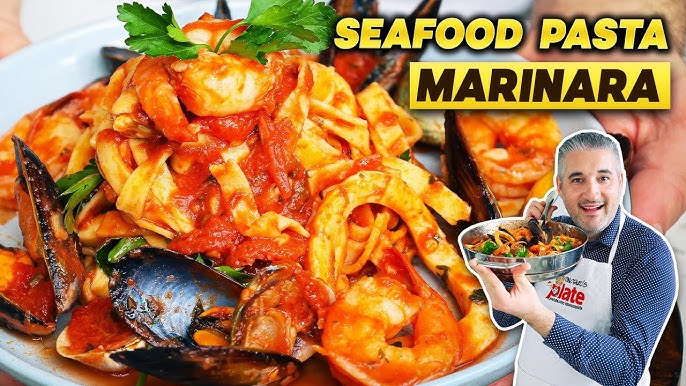
One of the most iconic seafood preparations is Spaghetti alle Vovgole (spaghetti with clams). This dish requires absolute freshness, using local carpet clams cooked rapidly in garlic, extra virgin olive oil, chili flakes, and white wine until they pop open, releasing their briny juices directly into the pasta. Similarly, Calamari alla Luciana features tender squid slow-simmered in a rich tomato sauce seasoned with black olives and capers. Whether enjoying a simple plate of Frittura di Paranza (a light flash-fry of tiny local fish) or a robust seafood stew, the maritime influence remains a defining characteristic of the local diet.
The Harmony of the Mediterranean Diet
The overarching philosophy of Neapolitan cooking aligns seamlessly with the core tenets of the traditional Mediterranean diet. This nutritional lifestyle prioritizes fresh vegetables, legumes, whole grains, and healthy fats over heavy creams, butter, or excessive meat consumption.
The volcanic soil surrounding Mount Vesuvius is incredibly fertile, yielding produce with concentrated flavors. Tomatoes, particularly the San Marzano and Piennolo varieties, provide the acidic foundation for countless dishes. Extra virgin olive oil serves as the pizzafuniculi.com primary cooking medium and finishing touch, delivering healthy monounsaturated fats and a peppery aroma. Wild herbs like basil, oregano, and parsley provide fresh bursts of flavor, reducing the need for heavy seasoning. Legumes also play a massive role, appearing in rustic classics like Pasta e Fagioli (pasta and beans), which highlights how nutritional density and culinary satisfaction go hand-in-hand.
A Legacy of Shared Tables
Ultimately, the food of Naples is defined by its conviviality. These dishes are designed for long, shared meals among family and friends, reflecting the warm hospitality characteristic of southern Italy. By respecting the natural flavors of the land and the sea, Neapolitan chefs and home cooks alike preserve a healthy, time-tested tradition that continues to inspire food lovers around the world.