
The Growing Popularity of Tea Culture Among Young People
Introduction
In recent years, tea culture has experienced a significant rise in popularity among young people around the world. While tea was once associated mainly with older generations or traditional ceremonies, it has now become a modern lifestyle trend. From trendy bubble tea shops in cities to social media content about aesthetic tea moments, young people are rediscovering tea in new and creative ways.
This growing interest is not only about taste but also about identity, lifestyle, and wellness. Tea has become a symbol of relaxation, creativity, and social connection for the younger generation.
Social Media and Tea Trends
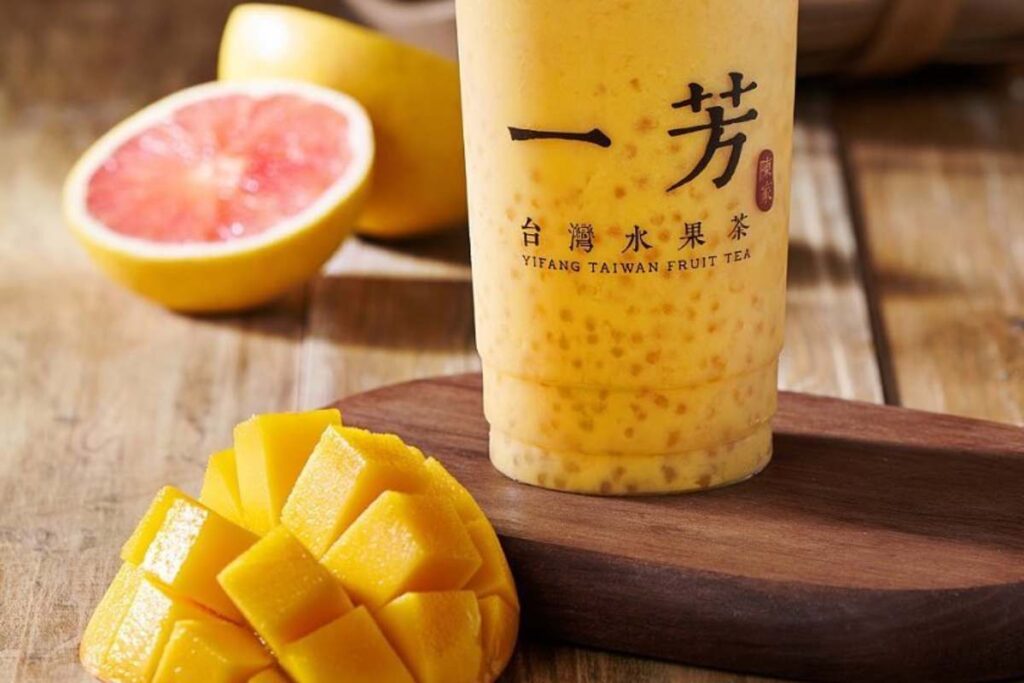
One of the biggest reasons for the rise of tea culture among young people is social media. Platforms like Instagram, TikTok, and YouTube have made tea drinks visually appealing and culturally relevant. Colorful milk teas, bubble teas with unique toppings, and beautifully designed tea cups are often shared as lifestyle content.
These visual trends encourage more young people to try different types of tea and visit tea cafes. The experience of drinking tea is no longer just about taste—it is also about aesthetics and sharing moments online.
Many tea shops now design their drinks and spaces specifically to attract social media attention, using creative presentation styles and unique flavors.
Bubble Tea and Modern Innovation
Bubble tea, also known as boba tea, has played a major role in making tea culture popular among young people. Originating in Taiwan, bubble tea combines tea with milk, sugar, and chewy tapioca pearls. Over time, it has evolved into countless variations with fruit flavors, jelly toppings, and different levels of sweetness.
The flexibility of bubble tea allows customers to customize their drinks, making it a personal and enjoyable experience. This level of customization appeals strongly to younger consumers who value individuality and creativity.
As a result, bubble tea shops have become popular hangout spots for friends, students, and young professionals.
Tea as a Lifestyle Choice
For many young people, tea is more than just a drink—it is part of a lifestyle. Health-conscious individuals often choose green tea, herbal tea, or sugar-free options as alternatives to soda and other sugary beverages. Tea is seen as a healthier and more natural choice.
At the same time, tea culture is also associated with relaxation and self-care. Many young people use tea time as a way to unwind after school, work, or social activities. This simple habit helps reduce stress and improve mental well-being.
Tea is also linked to productivity. Some students and professionals drink tea while studying or working because it helps maintain focus without causing excessive stimulation.
Cafes and Social Spaces
Tea cafes have become popular social spaces for young people. These cafes often feature modern designs, cozy seating, and relaxing atmospheres. They provide a perfect environment for studying, working, or meeting friends.
Unlike traditional tea settings, modern tea cafes combine comfort with creativity. They offer a wide range of tea-based drinks and snacks, making them attractive destinations for casual gatherings.
These spaces also encourage social interaction and community building among young people.
Influence of Global Culture
The globalization of food and beverages has also contributed to the popularity of tea culture. Young people are exposed to different tea traditions from around the world, including British afternoon tea, Japanese matcha culture, and Chinese tea ceremonies.
This global influence encourages curiosity and appreciation for tea in all its forms. As a result, tea is no longer limited to one culture but has become a shared global experience.
Conclusion
The growing popularity of tea culture among young people shows how traditions can evolve and adapt to modern lifestyles. Through social media, innovation, and cultural exchange, tea has become both a trendy and meaningful part of everyday life.
Whether enjoyed as a fashionable bubble tea, a calming herbal drink, or a traditional green tea, it continues to bring comfort https://www.teatimeus.com/ and connection. For today’s younger generation, tea is more than a beverage—it is a symbol of creativity, relaxation, and social expression.