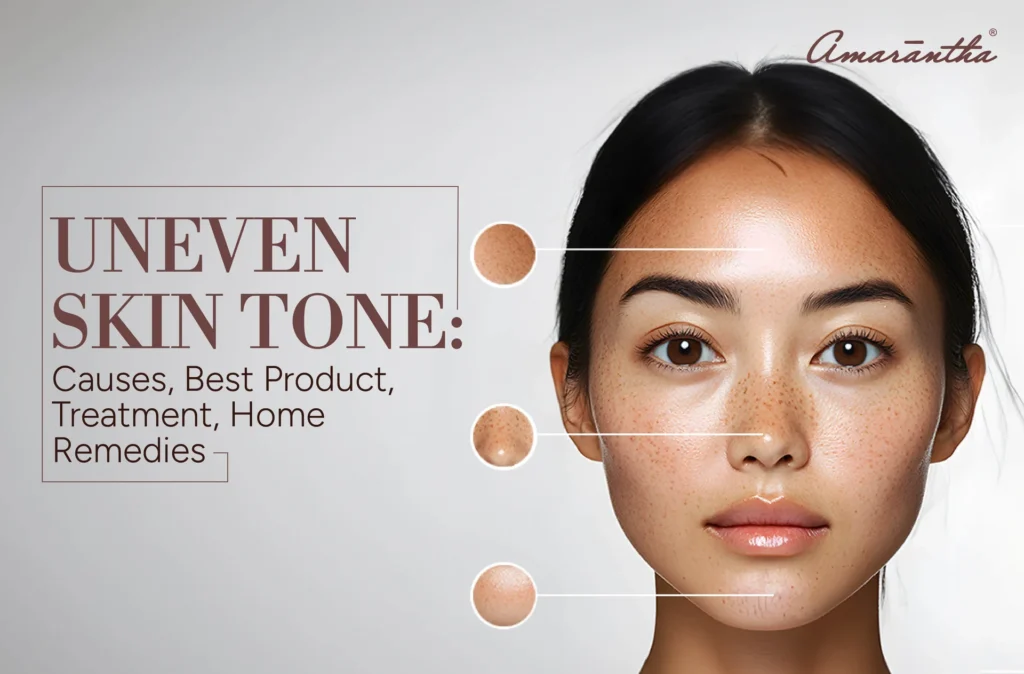

Understanding and Treating Uneven Skin Tone: A Comprehensive Guide
An uneven skin tone, often characterized by dark spots, redness, or a lackluster complexion, is a widespread cosmetic concern. Known skin miracle clinic clinically as hyperpigmentation, this condition occurs when the skin produces an excess of melanin, the pigment responsible for skin color. While an uneven complexion is generally harmless, it can be stubborn to resolve. Effectively restoring balance to your complexion requires an understanding of its underlying triggers and a targeted, consistent approach to skincare.
The Root Causes of Discoloration
To treat uneven skin tone effectively, you must first identify what is triggering the pigment production. The most common culprits include:
- Sun Exposure: UV radiation triggers melanin production as a defense mechanism. Over time, this leads to sun spots, age spots, and freckles.
- Post-Inflammatory Hyperpigmentation (PIH): This occurs after a skin injury or inflammation, such as an acne breakout, eczema flare-up, or a scratch. The skin leaves behind a dark flat mark after the initial wound heals.
- Melasma: Often triggered by hormonal fluctuations, melasma presents as symmetrical, larger patches of discoloration, typically on the cheeks, forehead, and upper lip. It is highly common during pregnancy or oral contraceptive use.
Active Ingredients That Brighten and Balance
Correcting discoloration requires topical ingredients that either speed up cell turnover or inhibit tyrosinase—the enzyme responsible for melanin production. Look for the following dermatological agents:
- Vitamin C: A potent antioxidant that neutralizes free radicals, brightens the skin, and interferes with pigment production.
- Niacinamide (Vitamin B3): This versatile ingredient prevents the transfer of pigment within the skin layers while reducing redness and strengthening the skin barrier.
- Retinoids (Retinol): By accelerating cellular turnover, retinoids help old, pigmented cells shed faster, revealing fresher, evenly pigmented skin underneath.
- Alpha Arbutin and Kojic Acid: Safe, plant-derived alternatives to hydroquinone that effectively fade dark spots by slowing down melanin synthesis.
- Chemical Exfoliants (AHAs): Glycolic and lactic acids dissolve the bonds between dead skin cells, gently lifting away surface discoloration.
A Structured Daily Regiment
Consistency is the absolute key to fading hyperpigmentation. A daily routine focused on tone correction should follow these essential steps:
- Morning Brightening: Cleanse with a gentle wash, apply a Vitamin C serum, and layer on a lightweight moisturizer.
- Strict Sun Protection: UV light will instantly reverse any progress made by brightening products. Apply a broad-spectrum SPF 30 or higher every single day, rain or shine.
- Evening Correction: Alternate between a chemical exfoliant (AHA) and a retinoid to encourage cell renewal. Always follow with a nourishing moisturizer to prevent irritation.
Professional Interventions
If over-the-counter treatments do not yield satisfactory results after eight to twelve weeks, professional clinical treatments can accelerate the process. Dermatologists offer in-office chemical peels, microdermabrasion, and laser therapy (such as IPL or Q-switched lasers). These procedures target deeper layers of pigment that topical creams cannot easily reach.