
Unveiling Phraya Nakhon Cave: The Crown Jewel of Khao Sam Roi Yot
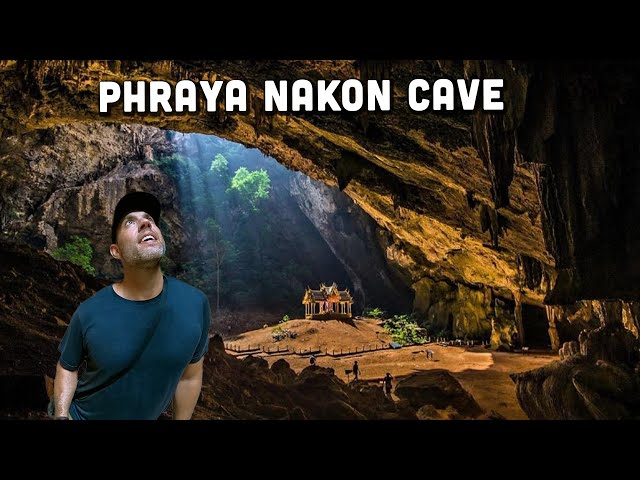
Deep within the limestone hills of Khao Sam Roi Yot National Park in Prachuap Khiri Khan province lies Phraya Nakhon Cave, one of Thailand’s most spectacular and revered natural wonders. Renowned for its ethereal beauty and royal history, this massive cave complex attracts travelers, photographers, and pilgrims from around the world. The cavern is famous for its unique structural formation: a collapsed ceiling that allows a dramatic beam of sunlight to illuminate a historic royal pavilion hidden deep inside, creating a mystical atmosphere that feels entirely detached from the outside world.
The Journey to the Cavern
Reaching Phraya Nakhon Cave is an adventure in itself, requiring a multi-stage journey that filters out casual tourists. The expedition begins at the coastal village of Bang Pu. From here, visitors have two choices to reach Laem Sala Beach, the starting point of the cave hike: a short, scenic boat ride around a rocky headland, or a steep 450-meter trek over a coastal hill. Once at Laem Sala Beach, travelers must ascend a rugged, 430-meter stone path that climbs steeply into the forested mountainside. The trail is demanding, lined with resting spots and surrounded by dense jungle where wild dusky langurs can often be seen feeding in the canopy.
The Mystical Kuha Karuhas Pavilion
Upon entering the cave, visitors descend into two grand chambers. The first chamber features a natural stone bridge known as the “Hell Bridge,” flanked by stalactites and stalagmites. The true highlight, however, awaits in the second, larger chamber. Here sits the Kuha Karuhas Pavilion, a meticulously crafted four-gabled wooden structure built in Bangkok and assembled inside the cave in 1890 for the visit of King Chulalongkorn (Rama V). The pavilion serves as an architectural masterpiece, standing on a raised mound of earth directly beneath a massive sinkhole. King Prajadhipok (Rama VII) and the late King Bhumibol Adulyadej (Rama IX) also visited the site, leaving their signatures carved into the cave walls.
The Phenomenon of Light and Nature
The optimal time to witness the cave’s true magic is between 10:00 AM and 11:30 AM during the dry season months. During this brief window, the sun reaches the perfect angle in the sky, sending a sharp, golden spotlight through the collapsed roof. This natural beam illuminates the green vegetation growing inside the cave, casts a vibrant glow on the pavilion’s gold-and-green roof, and cuts through the rising mist. The stark contrast between the dark, cool limestone cavern and the warm, brilliant sunbeam creates a surreal, cathedral-like ambiance that leaves onlookers in absolute silence.
Practical Advice for Travelers
Visiting Phraya Nakhon Cave requires a national park entrance fee and a good pair of sturdy walking shoes with solid grip, as the limestone agro resort stairs can become incredibly slippery from humidity and moisture. Travelers should carry plenty of drinking water to combat the intense tropical humidity during the steep climb. It is highly recommended to start the journey early in the morning to beat both the midday heat and the larger tour groups. Located roughly 45 minutes south of Hua Hin, Phraya Nakhon Cave stands as a timeless destination that perfectly blends rugged physical adventure, striking geological formations, and deeply rooted Thai royal heritage.